LESSON 01K–2
Belonging & place
Neighborhood Color Stories
How can color and shape tell someone what a place means to us?
Free teaching resources / K–12
50 free visual arts lessons inspired by New Orleans and Louisiana. Each comes with a teaching guide, student activities, assessments, a rubric, and cultural resources. No sign-up required.
Make room for student thinking, not just matching results.
The lesson library
Choose a grade band or search by theme. Open any lesson for the teaching sequence and download the PDFs you need. Everything is free to use in your classroom.
50 lessons available
Belonging & place
How can color and shape tell someone what a place means to us?
Community & celebration
How can repeating shapes create a message of welcome?
Shape and belonging
How can simple shapes show where a welcome begins?
Mood and observation
How can colors and edges help us notice change in the sky?
Everyday objects
What can a few objects tell us about everyday life?
Movement and design
How do lines help people see where to go?
Light and movement
What can a shadow reveal about shape and movement?
Line and environment
Can a line suggest fast or quiet movement?
Observational drawing
How do careful details make a small subject feel important?
Texture and pattern
How can one texture become a new visual pattern?

Symbols and communication
How can an image communicate without many words?
Light and layering
How do overlapping shapes and values create distance?
Music & visual rhythm
What does a neighborhood sound look like when we translate it into line, color and rhythm?
Environment & responsibility
How can an artwork make the relationships between water, land, plants and people visible?
Form and engineering
How can a structure carry weight and communicate its purpose?
Repetition and variation
How can repetition and interruption create a visual rhythm?
Nature and narrative
How can a sequence show that a habitat is connected?
Visual memory and pattern
How can pattern communicate the feeling of gathering?
Inclusive design
How can art and design help more people participate?
Expressive color
Can colors communicate a memory or possibility without telling the whole story?

Design and everyday culture
How can a label be both useful and expressive?
Three-dimensional composition
How can shape and negative space invite people to look or move?
Visual storytelling
Who gets to decide what a map highlights?
Photography and ethics
How can a photograph invite careful attention rather than quick judgment?
Perspective & city life
How can changing the scale of an ordinary object reveal a new story about city life?
Identity & representation
How can a portrait communicate identity without assuming a face tells the whole story?
Space and intersection
How can overlap reveal the many systems within one place?
Representation and visual critique
Whose stories disappear when one picture represents a place?
Observation and systems
How do artists visualize scientific differences accurately?
Inside and outside
How can a cross-section reveal a world while protecting private stories?
Imagination and science
How do observation and imagination make a creature believable?
Environment and empathy
How can design communicate an environmental need without dramatizing harm?
Fabric and meaning
How can pattern, material, and repetition carry an argument?
Identity and typography
What makes letters feel connected to a place without copying its signage?

Editorial narrative
How can sequence and source labels make a fairer visual story?
Viewpoint and time
How do time and viewpoint change our reading of a structure?
Cross-disciplinary form
How can something heard become something seen and touched?
Design & belonging
Whose point of view gets centered when we design a public place?
Cultural authority & ethics
How can artists document living cultural traditions without claiming ownership of them?
Design and ecology
How can visual design distinguish scientific evidence from speculation?
Memory and evidence
Who determines what gets preserved and who remains undocumented?
Consent and authorship
How can an artist collaborate without taking ownership of another person's story?
Accessibility and audience
Who can experience a work, and what do its design choices invite?
Materials and power
What histories travel inside the objects artists use?
Representation and belonging
Can an artist depict a place without turning its people into a spectacle?
Human-centered environmental design
How can art and design respond responsibly to heat and shade?
Critical cartography
How do selection, labels, and scale shape public knowledge?
Material and form
How can clay record a relationship between form, memory, and place?

Evidence and public communication
Can a persuasive image remain accurate, legible, and inclusive?

Story and permission
How can a designer make clear whose voice is present and whose is not?
No matching lessons. Change the filter or try another search.
The design spine
Each lesson moves through ten linked actions: Engage, Investigate, Skill Studio, Generate, Plan, Produce, Critique, Revise, Present, Reflect. Students make choices, receive evidence-based feedback, and document visible changes.
Studio Habits of Mind connect the work to developing craft, observing, expressing, taking productive risks, reflecting, and understanding art worlds.
How the lessons are designed →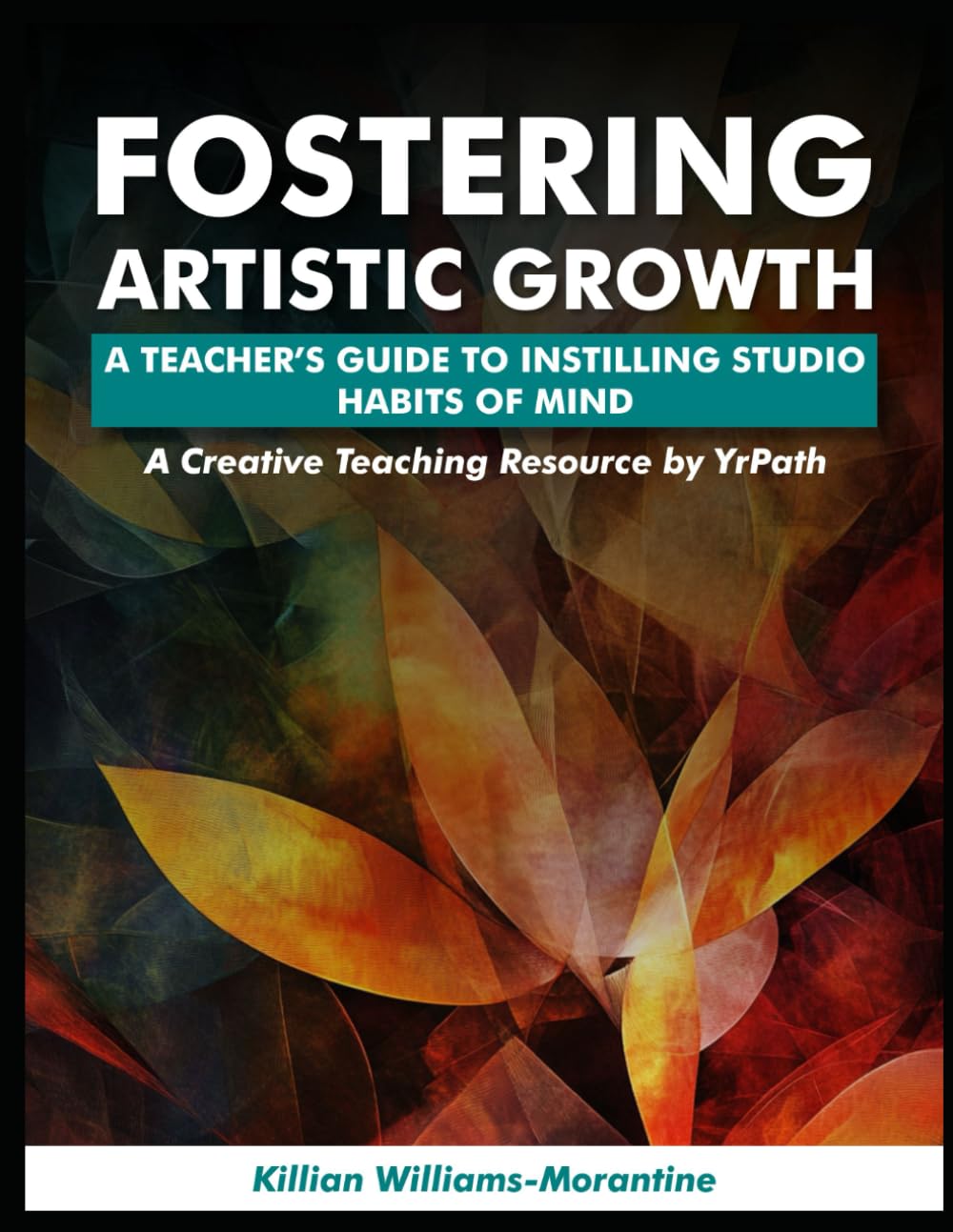
For a deeper dive
These free investigations extend the reflective, studio-centered approach associated with Fostering Artistic Growth: A Teacher’s Guide to Instilling Studio Habits of Mind. The lessons are original teaching resources, not excerpts from the book.
Representation matters most when it includes community authority, accurate sources, student choice, and the courage to question a single story.