LESSON 01K–2
Belonging & place
Neighborhood Color Stories
How can color and shape tell someone what a place means to us?
Studio Fieldnotes / Free K–12 teaching library
Start with a collection, choose a grade band, or search by artist, medium, theme, or skill. Open a lesson to review the teaching sequence and download free classroom PDFs.
Belonging & place
How can color and shape tell someone what a place means to us?
Photo: Arnold Genthe / Library of Congress
Community & celebration
How can repeating shapes create a message of welcome?
Shape and belonging
How can simple shapes show where a welcome begins?
Mood and observation
How can colors and edges help us notice change in the sky?
Everyday objects
What can a few objects tell us about everyday life?
Photo: Arnold Genthe / Library of Congress
Movement and design
How do lines help people see where to go?
Light and movement
What can a shadow reveal about shape and movement?
Photo: Ryan Hagerty / U.S. Fish and Wildlife Service
Line and environment
Can a line suggest fast or quiet movement?
Observational drawing
How do careful details make a small subject feel important?
Photo: Arnold Genthe / Library of Congress
Texture and pattern
How can one texture become a new visual pattern?
Symbols and communication
How can an image communicate without many words?
Light and layering
How do overlapping shapes and values create distance?
Photo: Infrogmation of New Orleans
Music & visual rhythm
What does a neighborhood sound look like when we translate it into line, color and rhythm?
Photo: Ryan Hagerty / U.S. Fish and Wildlife Service
Environment & responsibility
How can an artwork make the relationships between water, land, plants and people visible?
Form and engineering
How can a structure carry weight and communicate its purpose?
Repetition and variation
How can repetition and interruption create a visual rhythm?
Photo: Ryan Hagerty / U.S. Fish and Wildlife Service
Nature and narrative
How can a sequence show that a habitat is connected?
Photo: Arnold Genthe / Library of Congress
Visual memory and pattern
How can pattern communicate the feeling of gathering?
Inclusive design
How can art and design help more people participate?
Expressive color
Can colors communicate a memory or possibility without telling the whole story?
Design and everyday culture
How can a label be both useful and expressive?
Three-dimensional composition
How can shape and negative space invite people to look or move?
Visual storytelling
Who gets to decide what a map highlights?
Photography and ethics
How can a photograph invite careful attention rather than quick judgment?
Perspective & city life
How can changing the scale of an ordinary object reveal a new story about city life?
Identity & representation
How can a portrait communicate identity without assuming a face tells the whole story?
Space and intersection
How can overlap reveal the many systems within one place?
Representation and visual critique
Whose stories disappear when one picture represents a place?
Photo: Ryan Hagerty / U.S. Fish and Wildlife Service
Observation and systems
How do artists visualize scientific differences accurately?
Photo: Works Progress Administration / unidentified photographer
Inside and outside
How can a cross-section reveal a world while protecting private stories?
Photo: Ryan Hagerty / U.S. Fish and Wildlife Service
Imagination and science
How do observation and imagination make a creature believable?
Environment and empathy
How can design communicate an environmental need without dramatizing harm?
Fabric and meaning
How can pattern, material, and repetition carry an argument?
Identity and typography
What makes letters feel connected to a place without copying its signage?
Editorial narrative
How can sequence and source labels make a fairer visual story?
Photo: Infrogmation of New Orleans
Viewpoint and time
How do time and viewpoint change our reading of a structure?
Photo: Infrogmation of New Orleans
Cross-disciplinary form
How can something heard become something seen and touched?
Design & belonging
Whose point of view gets centered when we design a public place?
Cultural authority & ethics
How can artists document living cultural traditions without claiming ownership of them?
Photo: Ryan Hagerty / U.S. Fish and Wildlife Service
Design and ecology
How can visual design distinguish scientific evidence from speculation?
Memory and evidence
Who determines what gets preserved and who remains undocumented?
Consent and authorship
How can an artist collaborate without taking ownership of another person's story?
Accessibility and audience
Who can experience a work, and what do its design choices invite?
Materials and power
What histories travel inside the objects artists use?
Representation and belonging
Can an artist depict a place without turning its people into a spectacle?
Human-centered environmental design
How can art and design respond responsibly to heat and shade?
Critical cartography
How do selection, labels, and scale shape public knowledge?
Photo: Works Progress Administration / unidentified photographer
Material and form
How can clay record a relationship between form, memory, and place?
Evidence and public communication
Can a persuasive image remain accurate, legible, and inclusive?
Story and permission
How can a designer make clear whose voice is present and whose is not?
Routes, rhythm and lines
How can lines show a journey through our city?
Gathering spaces and belonging
What makes a space feel like a place where people belong?
River movement and visual rhythm
How can a line move like water?
Parade identity and creative choice
How does color help a group share its story?
Photo: Infrogmation of New Orleans
Music heard, shapes seen
How can a sound become a shape?
Public signs and everyday commerce
How can pictures help people find a place?
Natural forms and local memory
What can we learn by looking carefully at a tree?
Photo: Infrogmation of New Orleans
Architecture and cultural exchange
How do building designs tell stories about place?
Mutual aid and procession
How can one object represent a community value?
History, place and rhythm
How can an image help us listen to history?
Vietnamese New Orleans and community design
How can a place reflect care across generations?
Photo: Arnold Genthe / Library of Congress
Architecture, craft and labor
What happens when a shadow becomes a design?
Photo: Works Progress Administration / unidentified photographer
Sicilian heritage and foodways
How do arranged objects express gratitude?
Music, function and assemblage
How does an instrument tell us how a sound is made?
Photo: Infrogmation of New Orleans
Black masking artistry and cultural authorship
How can we honor an art form without copying it?
Photo: Billy Metcalf Photography
Objects, community and contested history
Can a small object tell a complicated history?
Archival evidence and public memory
How can a poster distinguish history from imagination?
Place, monument and respectful representation
How do structures preserve family memory?
Photo: Infrogmation of New Orleans
Historic architecture and preservation
What does preservation protect, and who benefits?
Language access and public design
How can visual design help more people navigate?
Photo: Kocker; Alvarez; Wade Hanks / U.S. National Park Service
Memory, music and procession
How can visual sequence convey changes in emotion?
Photo: Infrogmation of New Orleans
Infrastructure and Black neighborhood history
How does a road reshape a community’s cultural life?
Photo: Petty Officer 2nd Class Kyle Niemi / U.S. Coast Guard
Disaster memory and ethical storytelling
Who controls the images of a community after crisis?
Italian American heritage and postmodern design
When does an ambitious public artwork serve its community?
Caribbean and African diaspora connections
How do ideas and materials travel through a port city?
Community-owned storytelling
What should a public archive give back to its community?
Black social history, costume and public image
How can ceremonial images tell a story of dignity and resistance?
Photo: Ryan Hagerty / U.S. Fish and Wildlife Service
Living Indigenous presence and environmental design
Who gets to represent environmental change?
Acadiana Cultural Studio
How can different kinds of lines suggest water moving through a place?
Acadiana Cultural Studio
How do simple shapes tell us how a historic home is built?
Acadiana Cultural Studio
What can a repeated window shape tell us about a building?
Acadiana Cultural Studio
How can a musical instrument inspire a drawing without copying a musician?
Acadiana Cultural Studio
Can a paper structure show how an accordion opens and closes?
Acadiana Cultural Studio
How can a rubbing or drawn mark suggest the repeated beat of an instrument?
Acadiana Cultural Studio
How can fabric scraps create a lively original design inspired by a community celebration?
Acadiana Cultural Studio
How can roof lines give a building a recognizable profile?
Acadiana Cultural Studio
How can an ordinary building become the setting for a respectful imagined story?
Acadiana Cultural Studio
What shapes can show rhythm and movement without drawing a detailed figure?
Acadiana Cultural Studio
How can a few marks describe a cypress or hickory surface?
Acadiana Cultural Studio
How could a drawing show how people enter and share a gathering space?
Acadiana Cultural Studio
Which building choices help people live with the climate of south Louisiana?
Acadiana Cultural Studio
How does a classroom's layout reflect schooling in a particular era?
Acadiana Cultural Studio
How can five images communicate a community event without reducing it to a costume?
Acadiana Cultural Studio
How does the design of an accordion help explain its sound and movement?
Acadiana Cultural Studio
How might the ribbed surface of a frottoir become an abstract print system?
Acadiana Cultural Studio
How can a sign help a visitor find an event respectfully and clearly?
Acadiana Cultural Studio
How can sketchbook observations capture details that photographs miss?
Acadiana Cultural Studio
How does a craftsperson's process shape the surface of a finished object?
Acadiana Cultural Studio
What visual clues distinguish a fiddle, accordion and triangle?
Acadiana Cultural Studio
How can an invitation communicate who, where, and what to expect?
Acadiana Cultural Studio
How does a tall headpiece change a silhouette in movement?
Acadiana Cultural Studio
How can a visitor map show relationships among houses, paths and shared spaces?
Acadiana Cultural Studio
How can maps express migration without reducing people to arrows?
Acadiana Cultural Studio
What can a documented photograph reveal about musicianship and cultural exchange?
Acadiana Cultural Studio
How can a visual guide honor two related but distinct language varieties?
Acadiana Cultural Studio
How can a visual biography represent an artist beyond a single photograph?
Acadiana Cultural Studio
What makes a musician's movement readable in a sequence?
Acadiana Cultural Studio
How does an instrument's material shape the sounds and rhythms it makes?
Acadiana Cultural Studio
How can a visual cutaway explain parts we cannot see in a performance?
Acadiana Cultural Studio
How can two house plans reveal stories of class, labor, and daily life?
Acadiana Cultural Studio
What makes a museum label respectful, accurate, and useful to visitors?
Acadiana Cultural Studio
How can a visual essay show event structure, roles, and collective participation?
Acadiana Cultural Studio
What do changing festival posters reveal about audiences and cultural representation?
Acadiana Cultural Studio
How can a drawn interior make audience and musician relationships visible?
Acadiana Cultural Studio
How can a three-panel visual study connect water, livelihood, and change?
Acadiana Cultural Studio
How might a museum reinterpret a historic house from more than one perspective?
Acadiana Cultural Studio
How can artists analyze a music photograph without erasing its subjects?
Acadiana Cultural Studio
How can a contemporary music graphic acknowledge musical ancestry without imitation?
Acadiana Cultural Studio
How can composition shape how an audience reads a woman musician's authority?
Acadiana Cultural Studio
How can a public campaign support language access without presenting false translations?
Acadiana Cultural Studio
How should a photographer balance artistic expression with community participation and consent?
Acadiana Cultural Studio
How can architectural material evidence become a responsible contemporary design?
Acadiana Cultural Studio
How could a visual report show what a festival contributes and who does the work?
Acadiana Cultural Studio
How might current artists respond to stereotypes of regional heritage?
Acadiana Cultural Studio
How can a visual exhibit respect contemporary Indigenous self-representation?
Acadiana Cultural Studio
How do instruments carry histories of making, trade, and adaptation?
Acadiana Cultural Studio
How can visual documentation connect ecology, land use, and community futures?
Acadiana Cultural Studio
How can a public-facing archive represent people as living makers rather than museum relics?
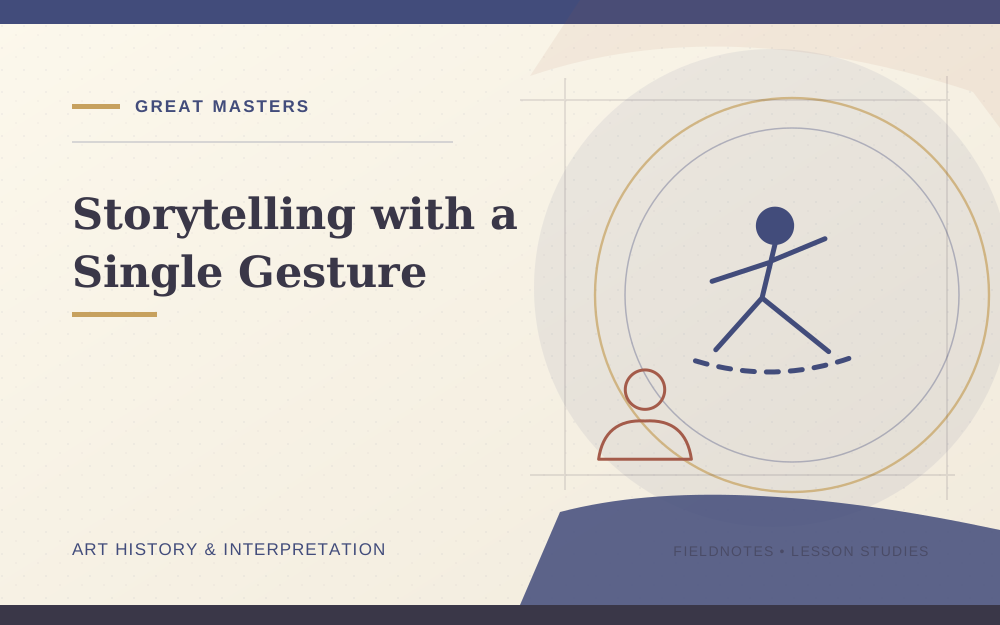
K–2 / Giotto
gesture, overlapping figures, focal point
How can a pose communicate a turning point without dialogue?
Open lesson ↗
3–5 / Fra Angelico
soft tonal transitions, deliberate color, framed space
How can light influence the feeling of a space?
Open lesson ↗
6–8 / Piero della Francesca
horizon lines, proportion, perspective grids
How does geometry change our sense of depth?
Open lesson ↗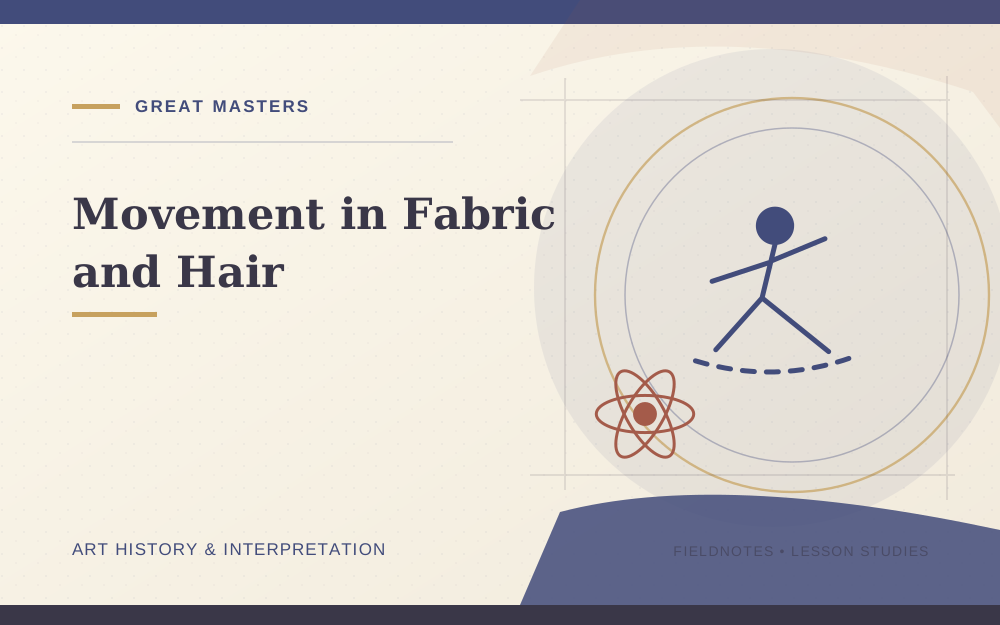
9–12 / Sandro Botticelli
contour, rhythm, wind-swept line
How can a line suggest movement that we cannot see?
Open lesson ↗
K–2 / Leonardo da Vinci
observational sketching, annotation, cross-section
What do we notice when we draw to understand rather than decorate?
Open lesson ↗
3–5 / Michelangelo
gesture drawing, mass, weight
How can a still form communicate pressure or effort?
Open lesson ↗
6–8 / Raphael
grouping, gesture, balanced composition
How does composition lead viewers through multiple voices?
Open lesson ↗
9–12 / Titian
transparent glaze, color temperature, depth
How can layered color change the mood of an ordinary object?
Open lesson ↗
K–2 / Sofonisba Anguissola
portrait gaze, gesture, interaction
How does where a sitter looks influence the viewer?
Open lesson ↗
3–5 / Artemisia Gentileschi
dramatic staging, perspective, visual emphasis
How do visual choices shape who has power in a story?
Open lesson ↗
6–8 / Caravaggio
chiaroscuro, contrast, focal hierarchy
What can shadows tell a viewer about the subject?
Open lesson ↗
9–12 / Rembrandt
hatching, value range, expressive portrait
How does light change the evidence a portrait provides?
Open lesson ↗
K–2 / Johannes Vermeer
interior framing, light direction, quiet detail
How can a composition make ordinary work visible?
Open lesson ↗
3–5 / Judith Leyster
expressive gesture, diagonal movement, grouping
How can gesture show connection without a caption?
Open lesson ↗
6–8 / Diego Velázquez
viewpoints, reflected space, visual hierarchy
How does the viewpoint give or remove attention?
Open lesson ↗
9–12 / El Greco
elongation, expressive line, high contrast
When does distortion communicate more than accuracy?
Open lesson ↗
K–2 / Katsushika Hokusai
woodblock design, repeated contour, scale
How can scale make a landscape feel powerful?
Open lesson ↗
3–5 / Utagawa Hiroshige
cropping, rain marks, layered planes
How can weather become part of the composition?
Open lesson ↗
6–8 / Kitagawa Utamaro
fabric design, figure-ground contrast, rhythm
How do decorative surfaces direct attention to a person?
Open lesson ↗
9–12 / Ogata Korin
gold-ground space, stylized nature, asymmetry
How can empty space create balance?
Open lesson ↗
K–2 / Shen Zhou
brush line, ink washes, scale
How does a journey unfold differently across a scroll?
Open lesson ↗
3–5 / Qi Baishi
economical brush marks, observation, negative space
How much can a few precise marks communicate?
Open lesson ↗
6–8 / Hasegawa Tohaku
mist layers, monochrome ink, spatial rhythm
Can empty space act like a material?
Open lesson ↗
9–12 / Jeong Seon
site observation, viewpoint, mapped detail
Why is representing a real place a cultural decision?
Open lesson ↗
K–2 / Raja Ravi Varma
costume details, symbolism, narrative framing
How do clothing and objects shape an image's story?
Open lesson ↗
3–5 / Amrita Sher-Gil
limited palette, group portrait, simplified form
How can painting honor everyday life?
Open lesson ↗
6–8 / J. M. W. Turner
atmospheric color, dissolving edge, value
When does atmosphere become the subject?
Open lesson ↗
9–12 / John Constable
cloud studies, horizon, light timing
What changes when an artist revisits the same sky?
Open lesson ↗
K–2 / Francisco Goya
symbol, metaphor, tonal contrast
How can an image criticize an idea without targeting a person?
Open lesson ↗
3–5 / Winslow Homer
action composition, horizon, water texture
What makes a still image feel unfinished or alive?
Open lesson ↗
6–8 / Mary Cassatt
close cropping, gesture, domestic perspective
How can an ordinary gesture tell a larger story?
Open lesson ↗
9–12 / Berthe Morisot
broken brushwork, palette, outdoor observation
Can quick marks preserve fleeting experience?
Open lesson ↗
K–2 / Claude Monet
color temperature, repetition, visual series
What can repeated observation reveal that one image cannot?
Open lesson ↗
3–5 / Edgar Degas
cropping, off-center framing, gesture
How does a cut-off viewpoint change the story?
Open lesson ↗
6–8 / Georges Seurat
optical mixtures, dot patterns, planning
How do neighboring colors affect what viewers see?
Open lesson ↗
9–12 / Paul Cezanne
planes, observation, repeated shapes
Can structure come from color rather than outlines?
Open lesson ↗
K–2 / Vincent van Gogh
directional strokes, complementary colors
Can mark direction change how a familiar place feels?
Open lesson ↗
3–5 / Edvard Munch
distorted perspective, expressive line
How can the environment express a state of mind?
Open lesson ↗
6–8 / Hilma af Klint
geometric symbols, sequence, layered color
How can abstract shapes organize ideas that cannot be photographed?
Open lesson ↗
9–12 / Kathe Kollwitz
charcoal pressure, etching contrasts, human gesture
How can a hand gesture convey social connection?
Open lesson ↗
K–2 / Henri Matisse
cut paper, bold silhouette, positive-negative space
How can removing detail strengthen an idea?
Open lesson ↗
3–5 / Wassily Kandinsky
abstract line, shape contrasts, rhythm
How can visual rhythm exist without showing an object?
Open lesson ↗
6–8 / Paul Klee
improvised line, symbol, layered shapes
When can an accidental line become a plan?
Open lesson ↗
9–12 / Piet Mondrian
grid, asymmetrical balance, primary colors
How can few shapes suggest a complex system?
Open lesson ↗
K–2 / Frida Kahlo
personal symbolism, foreground/background, portrait
What can objects reveal without showing a face?
Open lesson ↗
3–5 / Diego Rivera
scale, narrative sequencing, collective scenes
How can a public picture make hidden work visible?
Open lesson ↗
6–8 / Georgia O'Keeffe
cropping, magnification, shape abstraction
What becomes surprising when an object fills the page?
Open lesson ↗
9–12 / Tarsila do Amaral
color simplification, transformed scale, imaginative form
How can familiar places be transformed without losing their identity?
Open lesson ↗
K–2 / Joaquin Torres-Garcia
symbol sets, constructive grid, visual syntax
Can a grid hold a story rather than just organize shapes?
Open lesson ↗
3–5 / Utagawa Kuniyoshi
diagonal composition, pattern, heroic pose
How can cropping create suspense in visual storytelling?
Open lesson ↗
K–2 / Jacob Lawrence
panel narrative, flat color, repeated motifs
How can repeated images carry a complex history?
Open lesson ↗
3–5 / Romare Bearden
collage, scale shift, layered memory
How can fragments hold several memories at once?
Open lesson ↗
6–8 / Alma Thomas
short repeated marks, color rhythm, abstraction
How can pattern and color record something observed?
Open lesson ↗
9–12 / Elizabeth Catlett
relief printing, strong contour, positive-negative
How can a bold silhouette communicate dignity?
Open lesson ↗
K–2 / Faith Ringgold
painted narrative, written text, patterned framing
What can a border contribute to the story in its center?
Open lesson ↗
3–5 / Augusta Savage
sculptural portrait, surface, expression
How do sculptors communicate dignity through form?
Open lesson ↗
6–8 / Aaron Douglas
silhouette, repeating circle, limited palette
How can a simplified figure carry rhythm and meaning?
Open lesson ↗
9–12 / Charles White
charcoal value, gesture, social portrait
How can a drawing insist that someone's work matters?
Open lesson ↗
K–2 / Gordon Parks
documentary framing, sequence, caption
How can a photograph reveal and conceal evidence?
Open lesson ↗
3–5 / David Driskell
layered landscape, energetic mark, color
How can land be both a place and a memory?
Open lesson ↗
6–8 / Sam Gilliam
fold, drape, stain, dimensional surface
What changes when painting becomes an object in space?
Open lesson ↗
9–12 / Betye Saar
assemblage, found objects, symbolism
How can combining objects challenge an inherited story?
Open lesson ↗
K–2 / Martin Puryear
sculptural volume, negative space, craftsmanship
How can construction express a question without text?
Open lesson ↗
3–5 / Robert Colescott
visual satire, reversal, art-history critique
How can changing a visual convention reveal a bias?
Open lesson ↗
6–8 / Kerry James Marshall
figure-ground balance, narrative detail, scale
Who gets to be pictured as important?
Open lesson ↗
9–12 / Carrie Mae Weems
staged photography, repetition, caption
How can one setting hold different stories?
Open lesson ↗
K–2 / Lorna Simpson
image-text relationship, fragment, sequencing
How does a sentence change what we think we see?
Open lesson ↗
3–5 / Kara Walker
cut-paper silhouette, scale, shadow
What can a silhouette hide as well as show?
Open lesson ↗
6–8 / Glenn Ligon
typography, repetition, opacity
When does repetition make words harder to ignore?
Open lesson ↗
9–12 / Fred Wilson
curation, juxtaposition, museum writing
How can display choices alter historical meaning?
Open lesson ↗
K–2 / Nick Cave
wearable sculpture, texture, sound
Can an object suggest movement without a performer?
Open lesson ↗
3–5 / Theaster Gates
adaptive reuse, community archive, design
How can art preserve and reactivate a place?
Open lesson ↗
6–8 / Mark Bradford
torn paper, mapping, surface accumulation
How can layers reveal what a standard map leaves out?
Open lesson ↗
9–12 / Hank Willis Thomas
cropping, recontextualization, visual rhetoric
How does a visual slogan persuade us?
Open lesson ↗
K–2 / Mickalene Thomas
patterned backdrop, collage, material embellishment
How can an environment affirm someone's presence?
Open lesson ↗
3–5 / Amy Sherald
monochrome skin tones, confident pose, flat background
Which decisions shape how viewers perceive a sitter?
Open lesson ↗
6–8 / Kehinde Wiley
large-scale portrait, pose, ornamental field
Who receives the visual language of honor?
Open lesson ↗
9–12 / Bisa Butler
textile collage, color, pattern narratives
How can textile choices preserve a person's story?
Open lesson ↗
K–2 / Simone Leigh
ceramic form, abstraction, material reference
How does familiar form carry new questions?
Open lesson ↗
3–5 / Julie Mehretu
layered drawing, directional marks, mapping
How can lines represent events instead of locations?
Open lesson ↗
6–8 / Njideka Akunyili Crosby
interior painting, collage transfer, layered imagery
How can a room reveal relationships across places?
Open lesson ↗
9–12 / Wangechi Mutu
collage, transformed figure, sculpture
What can imagined bodies reveal about environmental choices?
Open lesson ↗
K–2 / Yinka Shonibare
pattern history, costume, installation
What can a textile reveal about global trade?
Open lesson ↗
3–5 / El Anatsui
reused materials, modular repetition, flexible installation
How do small units gain meaning as a group?
Open lesson ↗
6–8 / Ibrahim Mahama
reclaimed textile, seam, installation scale
What human histories do materials carry?
Open lesson ↗
9–12 / Zanele Muholi
photographic lighting, self-representation, caption
Who controls the meaning of a portrait?
Open lesson ↗
K–2 / Toyin Ojih Odutola
layered marks, narrative portrait, invented world
What makes a fictional character's world believable?
Open lesson ↗
3–5 / Jordan Casteel
environmental portrait, scale, observation
How does a surrounding place shape our view of a person?
Open lesson ↗
6–8 / Tschabalala Self
cut textiles, figure construction, color
How do materials influence a figure's energy?
Open lesson ↗
9–12 / Derrick Adams
geometric figure, domestic scenes, color
What does leisure reveal about whose stories matter?
Open lesson ↗
K–2 / Titus Kaphar
cropping, erasure, layered panels
Can editing an image expose a historical silence?
Open lesson ↗
3–5 / LaToya Ruby Frazier
documentary sequence, collaborative portrait, caption
Who should tell a community's story?
Open lesson ↗
6–8 / Dawoud Bey
environmental portrait, careful light, listening
How can a portrait slow down judgment?
Open lesson ↗
9–12 / Ebony G. Patterson
dense surface, botanical motifs, symbolic detail
Can visual beauty invite a deeper investigation?
Open lesson ↗
K–2 / Firelei Baez
painted map, silhouette, archival layering
Who has the authority to name a landscape?
Open lesson ↗
3–5 / Sanford Biggers
quilt reference, material transformation, symbolism
When does reusing something change its story?
Open lesson ↗
6–8 / Rashid Johnson
mark-making, grids, found material
How can repeated materials become a visual language?
Open lesson ↗
9–12 / Nari Ward
assemblage, everyday objects, spatial meaning
How can ordinary objects reveal systems of care?
Open lesson ↗
K–2 / Jamea Richmond-Edwards
pattern, painting, collage, narrative figure
How can inherited stories shape a new artwork?
Open lesson ↗
3–5 / Charles Gaines
systems-based art, colored grid, procedure
Can an artistic rule generate meaningful variation?
Open lesson ↗
K–2 / Mathematics
shape attributes, map symbols
How do shapes help people recognize places?
Open lesson ↗
K–2 / Science
weather observations, temperature language
How can color communicate a real change in weather?
Open lesson ↗
K–2 / English Language Arts
character inference, evidence
How can an illustrator show a feeling the narrator does not name?
Open lesson ↗
K–2 / Life Science
organism symmetry, noticing exceptions
Where do living things show symmetry and where do they not?
Open lesson ↗
K–2 / Music and Mathematics
beat, repeating patterns, grouping
Can we see the structure of a repeated sound?
Open lesson ↗
K–2 / Mathematics
nonstandard measurement, comparison
How can measurement change the design of a pattern?
Open lesson ↗
K–2 / Life Science
habitat needs, organism relationships
What would be missing if one habitat layer disappeared?
Open lesson ↗
K–2 / Earth Science
observable patterns, sequence
How can a repeating natural pattern become an image sequence?
Open lesson ↗
3–5 / Mathematics
equivalent fractions, part-whole
How can color patterns show that fractions are equivalent?
Open lesson ↗
3–5 / Earth Science and Geography
watersheds, flow direction, topography
How can elevation shape where water goes?
Open lesson ↗
3–5 / Earth Science
weathering, erosion, deposition
What evidence shows that water changes land?
Open lesson ↗
3–5 / Mathematics
bar charts, proportions, data literacy
What should a viewer know about the numbers behind a picture?
Open lesson ↗
3–5 / English Language Arts
imagery, metaphor, line break
How can placement and emphasis deepen a poem's meaning?
Open lesson ↗
3–5 / Life Science
plant-animal interactions, modeling
How does a flower's structure relate to an animal's actions?
Open lesson ↗
3–5 / Mathematics
arrays, factors, structure
Can one design show two different multiplication facts?
Open lesson ↗
3–5 / Social Studies and ELA
primary sources, point of view
How does the source we choose change the story we tell?
Open lesson ↗
6–8 / Mathematics and Civics
scale ratio, public design
How does scale change who can experience a public artwork?
Open lesson ↗
6–8 / Geography and Earth Science
river network, land use, cause and effect
How do choices upstream change what happens downstream?
Open lesson ↗
6–8 / Physical Science
mixtures, solubility, pigment
How do materials and binders change a pigment's behavior?
Open lesson ↗
6–8 / Life Science and Mathematics
classification, graphing, biodiversity
When does a compelling visual become misleading science?
Open lesson ↗
6–8 / ELA and Media Literacy
point of view, evidence, framing
How does a camera angle change a claim?
Open lesson ↗
6–8 / History and ELA
chronology, cause and consequence
How can a timeline reveal continuity and change?
Open lesson ↗
6–8 / Mathematics
translation, reflection, rotation
How can movement rules create a coherent artwork?
Open lesson ↗
9–12 / Earth Science and Mathematics
trend analysis, graph choices
What does a truthful visual argument need to show?
Open lesson ↗
9–12 / Civics and Engineering
constraints, users, accessibility
Whose needs should guide the design of a shared space?
Open lesson ↗
9–12 / Environmental Science
systems feedback, flood risk, land use
How do design decisions redistribute risk?
Open lesson ↗
9–12 / Biology
microscope structure, representation limits
How do scientific images balance accuracy and interpretation?
Open lesson ↗
9–12 / English Language Arts
theme, translation, symbolism
What gets gained or lost when words become space?
Open lesson ↗
9–12 / Physics and Design
light paths, angle of incidence, design
How can light direction transform the experience of a room?
Open lesson ↗
9–12 / History and Music
cultural exchange, chronology, source reliability
How can a network avoid presenting culture as a single straight line?
Open lesson ↗
layered collage
How can we explore regional gumbo variations and family knowledge through layered collage and communicate an original idea?
value scales
How can we explore color changes in a roux and the language of process through value scales and communicate an original idea?
typography and packaging
How can we explore South Louisiana boudin makers and regional identity through typography and packaging and communicate an original idea?
overhead composition
How can we explore communal crawfish boils, labor and gathering through overhead composition and communicate an original idea?
sequential storytelling
How can we explore New Orleans household food rhythms and variation through sequential storytelling and communicate an original idea?
paper sculpture
How can we explore Carnival-season king cake traditions and regional variation through paper sculpture and communicate an original idea?
repeat printmaking
How can we explore pralines and the history of makers and vendors through repeat printmaking and communicate an original idea?
lettering and layout
How can we explore New Orleans sandwich shops and neighborhood design through lettering and layout and communicate an original idea?
color rhythm
How can we explore regional rice dishes and layered community histories through color rhythm and communicate an original idea?
cut-paper diagram
How can we explore New Orleans Sicilian American foodways through cut-paper diagram and communicate an original idea?
observation drawing
How can we explore New Orleans café culture and public gathering spaces through observation drawing and communicate an original idea?
relief collage
How can we explore seafood foodways and relationships to wetlands through relief collage and communicate an original idea?
spatial sequencing
How can we explore Louisiana rice agriculture, water and food through spatial sequencing and communicate an original idea?
botanical line drawing
How can we explore okra and African diasporic contributions to Louisiana food through botanical line drawing and communicate an original idea?
texture rubbings
How can we explore Louisiana oyster ecology and culinary traditions through texture rubbings and communicate an original idea?
color studies
How can we explore shrimping livelihoods and Gulf coast communities through color studies and communicate an original idea?
observational print
How can we explore filé powder and regional food traditions through observational print and communicate an original idea?
graphic design
How can we explore Louisiana hot sauce design and regional branding through graphic design and communicate an original idea?
poster design
How can we explore regional tomatoes, growers and market culture through poster design and communicate an original idea?
symbolic collage
How can we explore Southern family recipes and personal storytelling through symbolic collage and communicate an original idea?
reduction print
How can we explore regional variations in pans and shared meals through reduction print and communicate an original idea?
diptych composition
How can we explore food reuse, hospitality and home traditions through diptych composition and communicate an original idea?
comparative visual research
How can we explore Vietnamese American culinary contributions in Louisiana through comparative visual research and communicate an original idea?
illustrated fieldnotes
How can we explore Isleño community food traditions in St Bernard Parish through illustrated fieldnotes and communicate an original idea?
narrative composition
How can we explore Filipino communities and contemporary Louisiana kitchens through narrative composition and communicate an original idea?
architectural collage
How can we explore Sicilian immigration and neighborhood grocery history through architectural collage and communicate an original idea?
color indexing
How can we explore Louisiana seasonal produce and local market display through color indexing and communicate an original idea?
line and diagram
How can we explore fishers, waterways, tools and responsible seafood choices through line and diagram and communicate an original idea?
accessible layout
How can we explore festival food commerce, labor and signage through accessible layout and communicate an original idea?
visual storytelling
How can we explore food memories, consent and community archives through visual storytelling and communicate an original idea?
gesture drawing
How can we explore gesture and movement through gesture drawing and communicate an original idea?
contour drawing
How can we explore careful observation through contour drawing and communicate an original idea?
contour refinement
How can we explore observation and revision through contour refinement and communicate an original idea?
shape design
How can we explore geometric and organic shape through shape design and communicate an original idea?
notan design
How can we explore figure-ground relationship through notan design and communicate an original idea?
tonal shading
How can we explore light and dark through tonal shading and communicate an original idea?
light modeling
How can we explore highlight core shadow and reflected light through light modeling and communicate an original idea?
mark making
How can we explore surface qualities through mark making and communicate an original idea?
hatching
How can we explore density and direction through hatching and communicate an original idea?
proportion
How can we explore relative scale through proportion and communicate an original idea?
perspective
How can we explore depth and vanishing point through perspective and communicate an original idea?
two-point perspective
How can we explore spatial construction through two-point perspective and communicate an original idea?
overlap
How can we explore foreground middle ground background through overlap and communicate an original idea?
color mixing
How can we explore hue relationships through color mixing and communicate an original idea?
color temperature
How can we explore warm and cool contrasts through color temperature and communicate an original idea?
color contrast
How can we explore complementary palettes through color contrast and communicate an original idea?
palette planning
How can we explore color harmony through palette planning and communicate an original idea?
color saturation
How can we explore intensity and mood through color saturation and communicate an original idea?
painting technique
How can we explore brush control through painting technique and communicate an original idea?
water media
How can we explore wash and resist through water media and communicate an original idea?
acrylic process
How can we explore opaque and transparent layers through acrylic process and communicate an original idea?
mixed drawing
How can we explore line alongside tone through mixed drawing and communicate an original idea?
collage
How can we explore cut torn and layered edges through collage and communicate an original idea?
monoprint
How can we explore unique impressions through monoprint and communicate an original idea?
relief printing
How can we explore raised and removed surfaces through relief printing and communicate an original idea?
printmaking
How can we explore print alignment through printmaking and communicate an original idea?
surface pattern
How can we explore motif and repetition through surface pattern and communicate an original idea?
composition
How can we explore visual selection through composition and communicate an original idea?
visual hierarchy
How can we explore focal point through visual hierarchy and communicate an original idea?
balance
How can we explore symmetry asymmetry and radial balance through balance and communicate an original idea?
rhythm
How can we explore visual rhythm through rhythm and communicate an original idea?
scale
How can we explore scale and impact through scale and communicate an original idea?
figure drawing
How can we explore gesture and anatomy through figure drawing and communicate an original idea?
portraiture
How can we explore facial placement through portraiture and communicate an original idea?
self-representation
How can we explore identity and visual choice through self-representation and communicate an original idea?
still-life design
How can we explore observation and meaning through still-life design and communicate an original idea?
ceramic handbuilding
How can we explore three-dimensional form through ceramic handbuilding and communicate an original idea?
coil construction
How can we explore structure and joining through coil construction and communicate an original idea?
relief sculpture
How can we explore surface and depth through relief sculpture and communicate an original idea?
paper engineering
How can we explore fold tabs and structure through paper engineering and communicate an original idea?
assemblage construction
How can we explore armature and joinery through assemblage construction and communicate an original idea?
assemblage
How can we explore material choices and meaning through assemblage and communicate an original idea?
typography
How can we explore letterforms and message through typography and communicate an original idea?
photographic composition
How can we explore camera framing through photographic composition and communicate an original idea?
photographic lighting
How can we explore direction and diffusion through photographic lighting and communicate an original idea?
digital compositing
How can we explore layers and masks through digital compositing and communicate an original idea?
vector illustration
How can we explore paths and scalable shapes through vector illustration and communicate an original idea?
visual critique
How can we explore description analysis and interpretation through visual critique and communicate an original idea?
revision practice
How can we explore feedback and iteration through revision practice and communicate an original idea?
independent studio
How can we explore proposal execution and reflection through independent studio and communicate an original idea?
abstract painting
How can we explore color abstraction and rhythmic marks through abstract painting and communicate an original idea?

narrative collage
How can we explore narrative borders and storytelling through narrative collage and communicate an original idea?
printmaking
How can we explore printmaking and dignity through printmaking and communicate an original idea?
sculptural modeling
How can we explore sculptural portraiture and community through sculptural modeling and communicate an original idea?
assemblage
How can we explore assemblage and found-object history through assemblage and communicate an original idea?
conceptual photography
How can we explore photography and staged space through conceptual photography and communicate an original idea?
portraiture
How can we explore portrait and visual context through portraiture and communicate an original idea?
silhouette narrative
How can we explore silhouette and historical narrative through silhouette narrative and communicate an original idea?
pattern collage
How can we explore pattern and portrait settings through pattern collage and communicate an original idea?
image layering
How can we explore layered domestic spaces through image layering and communicate an original idea?
sculptural form
How can we explore form and material associations through sculptural form and communicate an original idea?
narrative drawing
How can we explore drawing and invented social worlds through narrative drawing and communicate an original idea?
abstract mapping
How can we explore maps and gestural layering through abstract mapping and communicate an original idea?
photo text
How can we explore image and language tension through photo text and communicate an original idea?
documentary photography
How can we explore women in community-based photography through documentary photography and communicate an original idea?
text image
How can we explore graphic text and persuasion through text image and communicate an original idea?
public text
How can we explore public language and space through public text and communicate an original idea?
collaborative design
How can we explore collaborative symbolic forms through collaborative design and communicate an original idea?
sculpture
How can we explore memory and sculptural metaphor through sculpture and communicate an original idea?
process sculpture
How can we explore process and repetition through process sculpture and communicate an original idea?
installation model
How can we explore repetition and immersive space through installation model and communicate an original idea?
observational painting
How can we explore scale and close observation through observational painting and communicate an original idea?
symbolic portrait
How can we explore symbolism and self-representation through symbolic portrait and communicate an original idea?
abstract systems
How can we explore systems and symbolic abstraction through abstract systems and communicate an original idea?
color design
How can we explore color and simultaneous contrast through color design and communicate an original idea?
observational painting
How can we explore light and fleeting observation through observational painting and communicate an original idea?
narrative drawing
How can we explore intimate scenes and viewpoint through narrative drawing and communicate an original idea?
narrative painting
How can we explore narrative composition and agency through narrative painting and communicate an original idea?
group portrait
How can we explore portrait and social interaction through group portrait and communicate an original idea?
portrait analysis
How can we explore portrait conventions through portrait analysis and communicate an original idea?
charcoal drawing
How can we explore expressive line and social concern through charcoal drawing and communicate an original idea?
photomontage
How can we explore photomontage and social critique through photomontage and communicate an original idea?
photo ethics
How can we explore documentary photography and ethics through photo ethics and communicate an original idea?
portrait photography
How can we explore self-representation in photography through portrait photography and communicate an original idea?
abstract collage
How can we explore gesture and compositional revision through abstract collage and communicate an original idea?
experimental painting
How can we explore stain and color field through experimental painting and communicate an original idea?
minimal drawing
How can we explore grid and subtle variation through minimal drawing and communicate an original idea?
optical art
How can we explore optical rhythm through optical art and communicate an original idea?
spatial sculpture
How can we explore line as three-dimensional space through spatial sculpture and communicate an original idea?
linear sculpture
How can we explore looped form and negative space through linear sculpture and communicate an original idea?
mixed-media collage
How can we explore hybrid imagery and future narrative through mixed-media collage and communicate an original idea?
mixed-media mapping
How can we explore ornament mapping and historical absence through mixed-media mapping and communicate an original idea?
layered installation
How can we explore beauty and hidden histories through layered installation and communicate an original idea?
pattern portrait
How can we explore fabric and portrait storytelling through pattern portrait and communicate an original idea?
mixed-media figure
How can we explore assembled bodies and identity through mixed-media figure and communicate an original idea?
steady beat
How can listening, movement and improvisation transform our understanding of New Orleans Congo Square and documented rhythmic histories?
call and response
How can listening, movement and improvisation transform our understanding of New Orleans second-line parade traditions?
texture
How can listening, movement and improvisation transform our understanding of New Orleans brass-band texture?
question answer
How can listening, movement and improvisation transform our understanding of New Orleans early jazz and collective improvisation?
timbre
How can listening, movement and improvisation transform our understanding of New Orleans streetcar sound environments?
duple meter
How can listening, movement and improvisation transform our understanding of Southwest Louisiana Cajun dance context?
rhythm texture
How can listening, movement and improvisation transform our understanding of Louisiana Creole zydeco and the frottoir?
phrase
How can listening, movement and improvisation transform our understanding of Cajun and zydeco accordion roles?
contrast
How can listening, movement and improvisation transform our understanding of Cajun dance ensembles?
procession
How can listening, movement and improvisation transform our understanding of Rural Mardi Gras courir traditions?
syncopation
How can listening, movement and improvisation transform our understanding of Jazz rhythmic displacement?
responsorial form
How can listening, movement and improvisation transform our understanding of Louisiana gospel music as community practice?
musical form
How can listening, movement and improvisation transform our understanding of community parades and neighborhood histories?
dynamics
How can listening, movement and improvisation transform our understanding of brass bands and dynamics?
dynamics
How can listening, movement and improvisation transform our understanding of South Louisiana wetlands and rainfall?
ostinato
How can listening, movement and improvisation transform our understanding of river movement and navigation?
meter
How can listening, movement and improvisation transform our understanding of Louisiana pirogue travel histories?
speech rhythm
How can listening, movement and improvisation transform our understanding of marketplace language diversity?
phonemic rhythm
How can listening, movement and improvisation transform our understanding of Louisiana Creole language documentation?
speech and form
How can listening, movement and improvisation transform our understanding of Isleño oral poetry and song traditions?
rhythmic pattern
How can listening, movement and improvisation transform our understanding of New Orleans bounce as a living musical genre?
groove
How can listening, movement and improvisation transform our understanding of Louisiana rhythm and blues histories?
tempo
How can listening, movement and improvisation transform our understanding of South Louisiana swamp pop dance traditions?
twelve-bar form
How can listening, movement and improvisation transform our understanding of Louisiana blues and expressive form?
soundscape
How can listening, movement and improvisation transform our understanding of waterside sound environments?
ABA form
How can listening, movement and improvisation transform our understanding of Carnival processions across Louisiana communities?
cultural listening
How can listening, movement and improvisation transform our understanding of Black Masking Indian cultural traditions in New Orleans?
tempo and mood
How can listening, movement and improvisation transform our understanding of New Orleans jazz funeral processional contexts?
ensemble dialogue
How can listening, movement and improvisation transform our understanding of Creole Louisiana ensemble textures?
pulse and timbre
How can listening, movement and improvisation transform our understanding of rice farming and agricultural labor histories?
speech ostinato
How can listening, movement and improvisation transform our understanding of social food traditions and gathering?
motif
How can listening, movement and improvisation transform our understanding of regional boudin makers and food communities?
pentatonic melody
How can listening, movement and improvisation transform our understanding of Cane River regional history and oral culture?
variation
How can listening, movement and improvisation transform our understanding of regional musical diversity within Louisiana?
melodic contour
How can listening, movement and improvisation transform our understanding of wetland bird habitats?
improvisation
How can listening, movement and improvisation transform our understanding of Mississippi River travel imagery?
echo
How can listening, movement and improvisation transform our understanding of courtyard acoustics and architectural spaces?
ensemble leadership
How can listening, movement and improvisation transform our understanding of collective improvisation in jazz ensembles?
performance planning
How can listening, movement and improvisation transform our understanding of Louisiana festivals and performance ecology?
responding and creating
How can listening, movement and improvisation transform our understanding of Louisiana genre differences and cultural credit?
body shapes and levels
Louisiana wetland environment as a place, not a traditional dance
straight and curved pathways
Mississippi River as geography and movement inspiration
pulse and improvised stepping
Black New Orleans social aid and pleasure club parades
personal and shared space
Social aid and pleasure club regalia and parade artistry
steady beat and weight shifts
Cajun two-step as a social dance in southwest Louisiana
three-count phrase and transfer
Cajun social waltzes and triple meter
gesture and tempo
Fiddle in Cajun music-making and dancing
expansion and contraction
Black Creole zydeco dance-band context
freeze and locomotor control
New Orleans transit and neighborhood travel
circle formations and response
Congo Square history, African diasporic traditions and respectful interpretation
balance and counterbalance
Louisiana live oaks as environment and movement prompt
dynamic level changes
New Orleans brass-band performance settings
gesture and consent
Louisiana social dancing as communal participation
floor pattern design
Acadian and Cajun social dance spaces
weight transfer and syncopation
Black Creole zydeco social dance and its musical origins
three-count phrasing
Waltzes within Louisiana Cajun music
spatial formations
Social aid and pleasure club community parade routes
call and response movement
Brass band call and response in New Orleans contexts
tempo modulation
Swamp pop as a Louisiana music tradition
percussive isolation
Frottoir as a zydeco instrument shaped by Black Creole musical innovation
ensemble pathways
Rural Cajun Mardi Gras courir in community context
spatial awareness
Louisiana community music and dance festivals
phrase and response
Dance music roles in Cajun and zydeco ensembles
tempo and energy
Weather imagery as source for original creative dance
mirroring and lead-follow
Social dance consent and inclusive participation
direction and focus
Second-line parasols and social aid and pleasure club visual culture
footwork variation and timing
Black New Orleans second-line movement and community authorship
character and spatial relationships
Second-line club histories, dress and community organization
eight-count phrasing
Cajun social dance and live dance-hall traditions
offbeat accents
Black Creole zydeco dance music and community context
turns and meter
Louisiana Cajun waltzes and social partner dance
gesture abstraction and cultural critique
Black masking traditions of New Orleans and community ownership
source evaluation and gesture invention
Historical Congo Square and limits of reconstructing undocumented movement
accent and movement phrasing
French-language music and regional linguistic diversity
layered rhythmic choreography
New Orleans brass-band ensemble relationships
leading following and boundaries
Cajun and zydeco social dancing in shared spaces
interview-based choreography
Community knowledge and consent in living dance traditions
motif and transition
Coastal Louisiana ecology as contemporary dance subject
site-aware choreography
New Orleans social aid and pleasure clubs and public space
embodied music analysis
Black Creole origins and contemporary zydeco forms
transformation and quotation
Cajun dance hall context compared with staged choreography
rotation balance consent
Louisiana Cajun waltz and inclusive partnering
research-driven movement dramaturgy
New Orleans Black masking traditions and cultural sovereignty
dance history and source criticism
History of Congo Square and the risks of fictional reconstruction
footwork, tempo and agency
New Orleans bounce music as contemporary Black cultural expression
duet composition and temporal shifts
Swamp pop in the Louisiana musical landscape
narrative choreography and testimony ethics
Community narratives after Hurricane Katrina and respectful storytelling
comparative ethnography
Changing Louisiana communities and multiple dance traditions
dance-for-camera framing
Louisiana dance communities, public space and visual documentation
portfolio choreography and reflection
Contemporary Louisiana dance makers and community continuity
No matching lessons. Change the filter or try another search.
Every lesson has a teaching sequence and downloadable materials. Visit Educator Resources for assessments and Louisiana arts pathways.
Free teaching resources / K–12
Choose a lesson that gives your students something worth investigating. Every Studio Fieldnotes resource is free, adaptable, and built for real K–12 classrooms, with assessments and rubrics included.
Make room for student thinking, not just matching results.
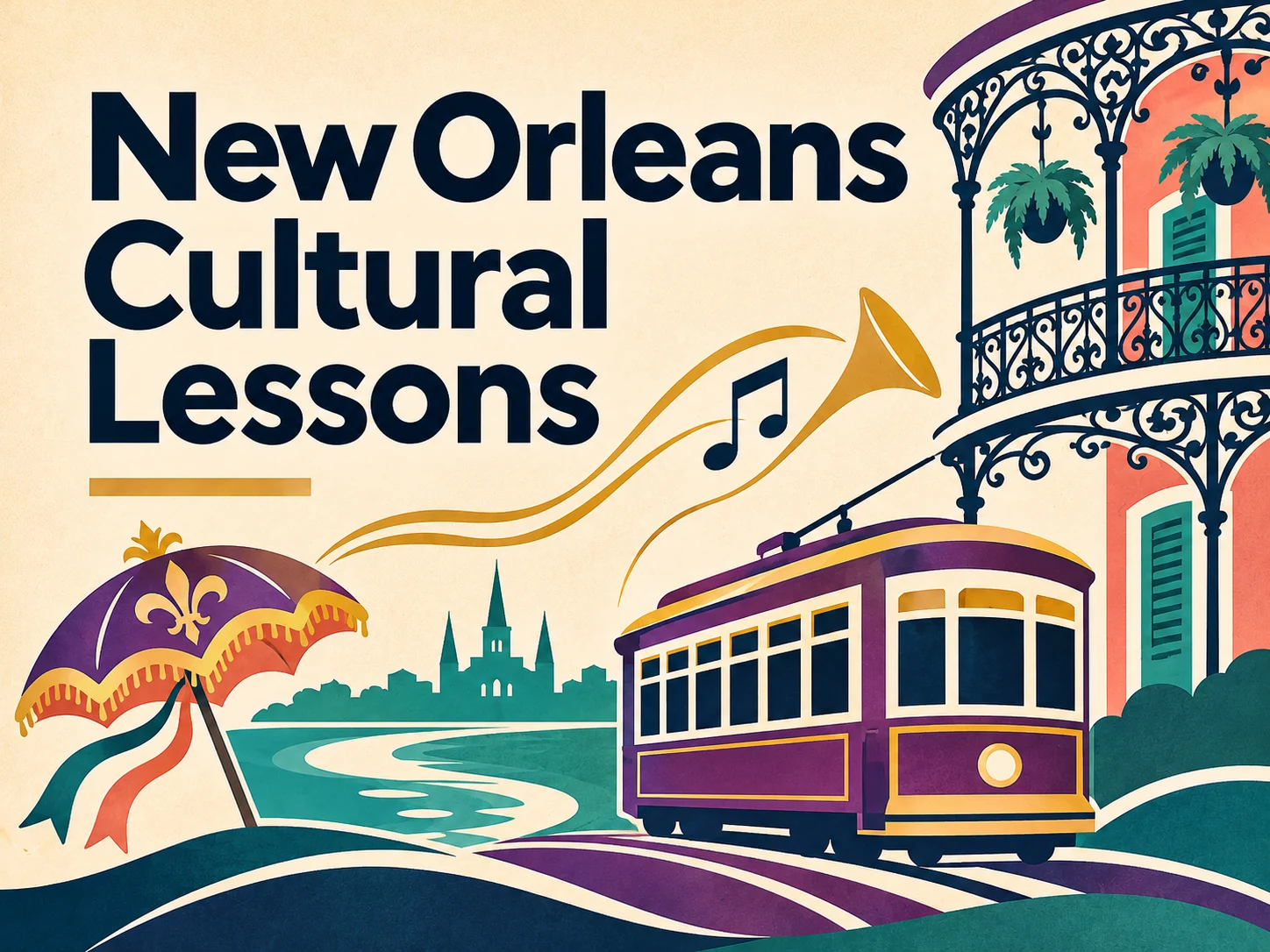
New / New Orleans Cultural Studio
Explore architecture, jazz, Black masking artistry, Vietnamese New Orleans, civic design, and cultural memory through original visual investigations for every grade band.
Explore the cultural collection →More for arts educators
The lesson is one part of the work. A useful assessment and a clearer view of students' options can change what you do after it.
Four new collections / 165 lessons
Original investigations with a ten-step sequence and four downloadable PDFs per lesson.
30 lessons · Visual arts lessons investigating food, cultural history, design and community

50 lessons · Scaffolded visual arts techniques, critique, revision and independent growth
45 lessons · Forty-five artist-led investigations across histories, media and communities
40 lessons · Creative music lessons using speech, movement, instrumental play and improvisation
50 NEW DANCE LESSONS
Create, perform, respond and connect through historically situated Louisiana movement studies and original choreography.
Browse by collection
50 lessons / K–12
Explore observation, visual storytelling, material experiments, design, and artistic decision-making.
Browse Studio Investigations →28 lessons / K–12
Photographic starting points and deeper inquiry into local architecture, music, histories, and living traditions.
Explore New Orleans Cultural Studio →
50 lessons / K–12
Acadian, Cajun and Louisiana Creole arts and history through Lafayette-area documentary photography and original studio challenges.
Browse Acadiana lessons →Reference photographs are credited on individual lesson pages. Photo credits and reuse licenses.
Three new collections / 130 new lessons
Explore artist-led inquiry, historically significant works, and cross-curricular investigations with rigorous, accessible teaching packets.
50 free K–12 lessons, with source notes, assessment and printable resources
50 free K–12 lessons, with source notes, assessment and printable resources
30 free K–12 lessons, with source notes, assessment and printable resources
The design spine
Each lesson moves through ten linked actions: Engage, Investigate, Skill Studio, Generate, Plan, Produce, Critique, Revise, Present, Reflect. Students make choices, receive evidence-based feedback, and document visible changes.
Studio Habits of Mind connect the work to developing craft, observing, expressing, taking productive risks, reflecting, and understanding art worlds.
How the lessons are designed →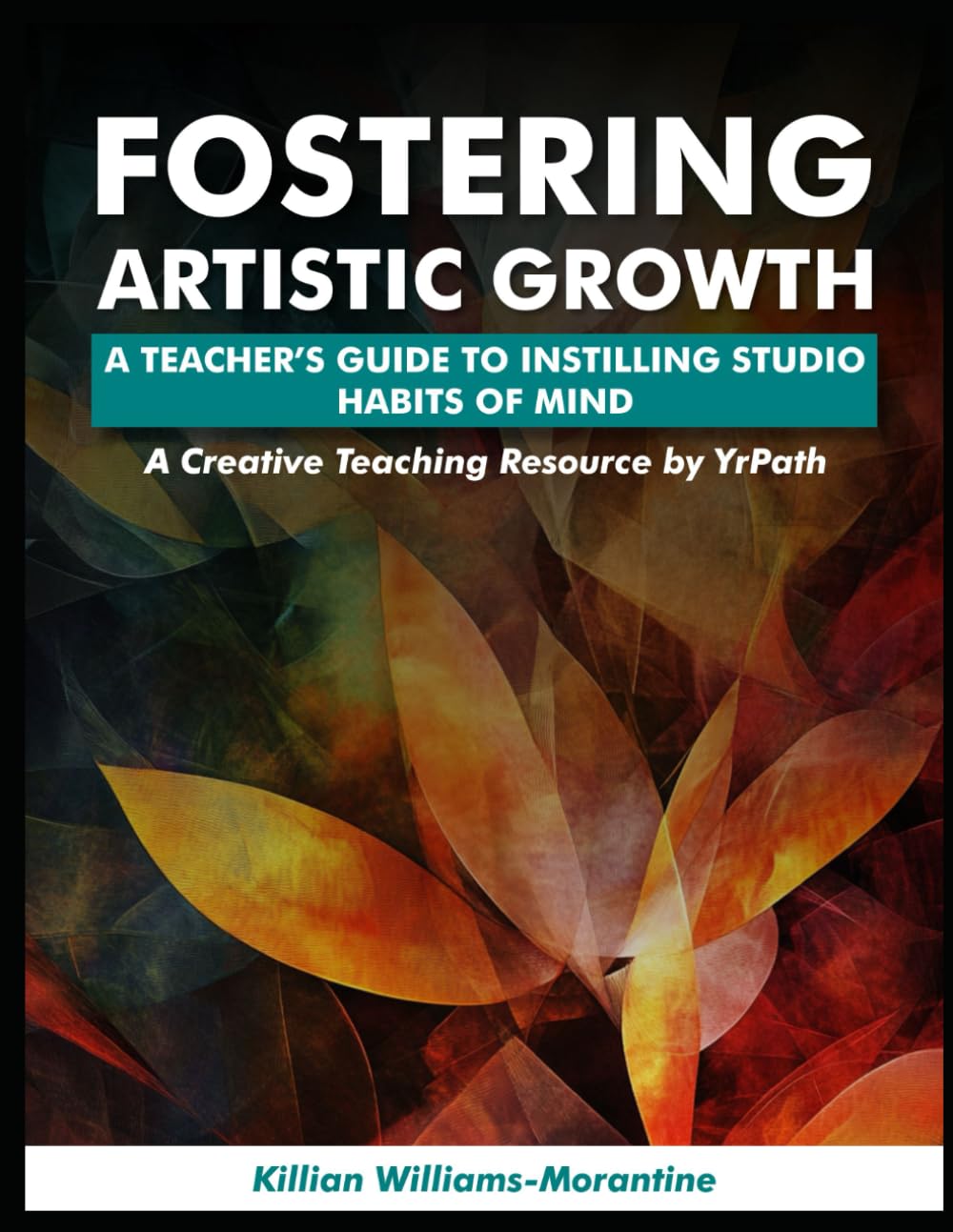
For a deeper dive
These free investigations extend the reflective, studio-centered approach associated with Fostering Artistic Growth: A Teacher’s Guide to Instilling Studio Habits of Mind. The lessons are original teaching resources, not excerpts from the book.
Representation matters most when it includes community authority, accurate sources, student choice, and the courage to question a single story.
EDUCATOR RESOURCE LICENSE
Download and adapt materials for noncommercial teaching with attribution. Public redistribution, resale, and institution-wide licensing require additional permission. Read full rights and classroom-use terms.
